

The Caregiver
Don’t rely on instinct—
choose caregivers carefully.

Selecting a Caregiver
Look for support, trust, and respect—not just help.
We hired the caregiver through a reputable company, and assumed they did background checks on their employees. Find out what happened in For All She’s Worth.

Hiring Through an Agency

Verify the agency is licensed, bonded, and insured
Check the agency’s reputation and reviews from other clients
Understand the agency’s hiring process, including background checks and training
Ask about staff qualifications, certifications, and experience
Confirm the agency’s policies on scheduling, replacements, and cancellations
Clarify costs, billing, and payment procedures upfront
Understand the agency’s role in supervising and monitoring caregivers
Ask how the agency handles complaints or concerns about caregivers
Ensure clear communication channels between family, agency, and caregiver
Review the contract carefully before signing, noting any guarantees or obligations
Hiring Independently

Conduct thorough background checks, including criminal history and references (Checklist)
Verify caregiver certifications or relevant experience
Clearly outline job duties, hours, and expectations in a written agreement
Discuss pay, benefits, and overtime policies upfront
Establish a trial period to assess compatibility and performance
Check for liability coverage or insurance considerations
Set boundaries and clarify household rules and privacy expectations
Monitor care quality regularly and maintain open communication
Have a plan for handling conflicts or emergencies
Keep written records of employment agreements, schedules, and incidents
Setting Expectations

Clearly define job duties and daily responsibilities
Discuss schedules, hours, and flexibility requirements
Explain household rules, routines, and personal preferences
Set boundaries regarding privacy, family interactions, and personal space
Clarify communication methods and frequency for updates
Outline how to handle emergencies or unexpected situations
Discuss performance standards and quality of care expectations
Agree on payment terms, breaks, and overtime policies if applicable
Provide written guideline for what the caregiver can and cannot do
Revisit and adjust expectations as needed to ensure smooth caregiving
Trial Period & Evaluations

Set a defined trial period to assess caregiver compatibility and performance
Observe punctuality, reliability, and adherence to job duties
Monitor quality of care, attentiveness, and responsiveness to the patient’s needs
Gather feedback from the care recipient and other family members
Review documentation, logs, and communication for accuracy and consistency
Address any concerns or issues promptly during the trial
Provide constructive feedback and clarify expectations as needed
Decide whether to continue, adjust responsibilities, or end the arrangement after the trial
Establish a schedule for regular performance reviews once employment continues
Keep written records of evaluations, feedback, and agreements for accountability
Complete a Caregiver Screening
Ensure you’re placing your loved one in the hands of someone trustworthy.
Identity & Employment Verification
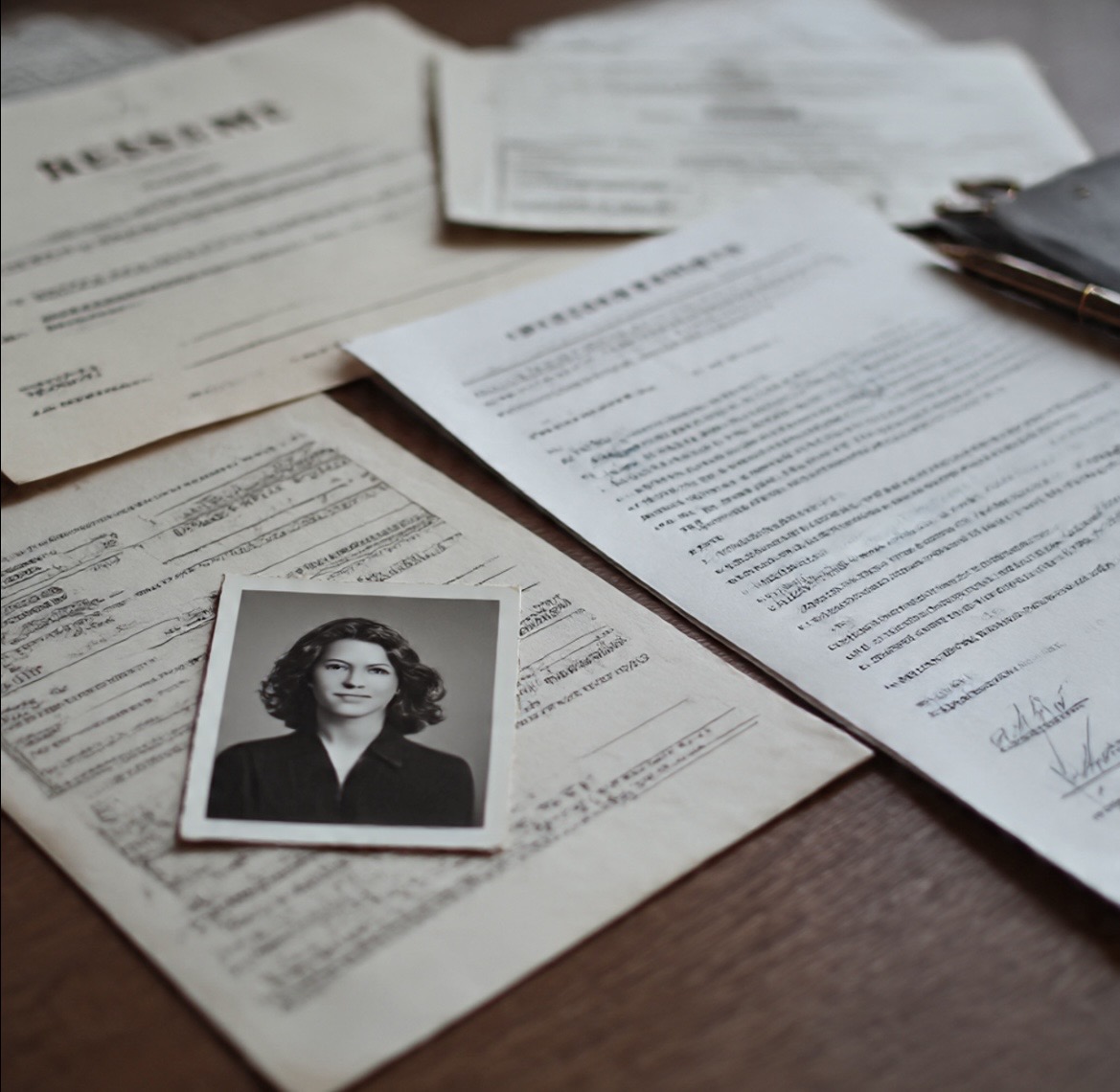
Verify full legal name and date of birth
Check government-issued photo ID (driver’s license, passport, or state ID)
Confirm Social Security number or tax ID if required
Review employment history and references
Confirm previous work experience in caregiving or related fields
Ask for copies of certifications, licenses, or training relevant to caregiving
Verify eligibility to work in your country (work permit or visa if applicable)
Cross-check references and previous employer contacts
Document all identification and verification information securely
Maintain records for future reference or in case of legal requirements
Background Checks

Conduct a nationwide and state-level criminal record search
Check for convictions related to violence, theft, or abuse
Review sex offender registries
Verify any history of substance abuse or fraud if available
Confirm clearance through government or third-party screening services
Ensure the caregiver has no pending criminal cases that could affect safety
Keep records of all background checks securely
Re-check periodically for long-term caregivers
Discuss findings openly and make informed decisions based on results
Comply with local laws regarding consent and use of background check information
Driving & License Verification

Confirm the caregiver has a valid driver’s license
Check for any suspensions, restrictions, or endorsements
Review driving record for accidents, violations, or DUIs
Verify insurance coverage if the caregiver will use their own vehicle
Ensure the caregiver is comfortable and safe driving in local conditions
Confirm understanding of transportation responsibilities (appointments, errands)
Discuss safety rules and expectations for transporting the care recipient
Re-check driving status periodically for long-term caregivers
Document verification and keep records securely
Consider additional training or defensive driving courses if needed
Social Media Presence

Review public social media profiles for professionalism and appropriate behavior
Look for red flags such as offensive posts, discriminatory language, or violent content
Check for consistency in work history and identity across online profiles
Observe how the caregiver interacts with others online
Assess judgment and communication style based on posts or comments
Search for reviews, mentions, or reports related to prior work experience
Ensure online presence aligns with the values and standards you expect
Respect privacy and follow legal boundaries when researching online
Discuss findings with the caregiver if concerns arise
Keep documentation of online checks in a secure manner
How Abuse Starts: Grooming, Isolation & Manipulation
Abuse doesn’t begin with violence—it begins with control
Types of Elder Abuse

Abuse can start quietly. Being aware of the signs is your first line of defense.
Physical Abuse - Hitting, pushing, restraining, or any force that causes pain or injury.
Emotional or Psychological Abuse - Threats, insults, humiliation, manipulation, intimidation, or isolation.
Financial Exploitation - Stealing money, forging signatures, pressuring for access to accounts, or misusing credit cards, cash, or valuables.
Neglect -Failing to provide basic needs such as food, hygiene, medication, or medical care—whether intentional or due to irresponsibility.
Abandonment - Deserting an elder or leaving them without necessary care, support, or supervision.
Sexual Abuse - Any non-consensual sexual contact, exposure, or behavior, including with elders unable to consent.
Self-Neglect - When an elder, often due to cognitive decline, is unable to safely care for themselves—lack of hygiene, unsafe living conditions, or refusing needed medical care.
Stages of Grooming

Grooming is a slow, calculated process designed to blur boundaries, lower defenses, and make the adult dependent—so the abuser can take control without resistance.
Targeting the Vulnerability
The abuser looks for someone who is lonely, overwhelmed, isolated, impaired, or dependent for care.
They identify what the person needs—companionship, help, affection, protection, or financial guidance.
Gaining Trust
They show kindness, attention, and reliability.
They position themselves as “the only one who truly helps,” often stepping in when others don’t.
This trust-building phase feels supportive, not harmful.
Building Dependency
The abuser slowly becomes indispensable—handling transportation, money, appointments, medications, or daily care.
They create emotional or practical reliance:
“You need me.”
“No one else cares the way I do.”
Isolation From Others
They begin limiting contact with friends, relatives, or professionals.
They do this subtly at first—discouraging visits, blocking calls, or speaking for the adult.
The goal is to become the gatekeeper.
Creating an Emotional Bond or Power Imbalance
They use affection, guilt, sympathy, or fear.
They may play the victim:
"I do everything for you."
"No one appreciates me."
This reinforces the adult’s loyalty and silence.
Initiating Exploitation This stage can be financial, emotional, or physical.
Once trust and dependency are solid, they begin taking advantage:
Controlling money
Taking valuables
Making decisions without permission
Withholding care
Coercing compliance
Maintaining Control
To keep the adult compliant, they use manipulation, threats, gaslighting, or further isolation.
They make the victim feel helpless, confused, indebted, or afraid to speak out.
Signs of Isolation

Isolation is how abusers protect their power and silence the victim.
Limited access to the elder — the caregiver makes excuses like “they’re sleeping,” “they’re not up for visitors,” or refuses visits altogether.
Sudden change in communication — the elder stops answering calls, texts, or messages without explanation.
Caregiver always speaks for them — they interrupt, answer questions on the elder’s behalf, or won’t leave the room.
Elder seems anxious or guarded around others — especially in the caregiver’s presence.
Loss of connection with friends or relatives — fewer social visits, canceled plans, or sudden distance from close relationships.
Caregiver controlling transportation — preventing the elder from leaving the house or attending appointments without them.
Elder appears lonely, depressed, or withdrawn — emotional changes linked to reduced social contact.
New “rules” about when family can visit or call — schedules or restrictions that didn’t exist before.
Why Isolation Is a Common Abuse Tactic?
It removes witnesses.
Once the abuser limits who can see or talk to the elder, no one else can notice bruises, fear, missing money, or changes in behavior.It blocks the elder from asking for help.
Without access to family, friends, or professionals, the elder has no one to tell what’s happening.It builds dependency.
When the abuser becomes the elder’s “only source” of transportation, care, or company, the elder becomes scared to challenge them.It hides financial exploitation.
Family can’t spot missing valuables, unusual spending, or unexplained withdrawals if they’re kept away.It increases fear and confusion.
Isolated elders often start doubting themselves, fearing conflict, or believing they have no safe options.It gives the abuser total control over information.
They can lie about the elder’s condition, exaggerate medical issues, or claim they’re “too tired” or “too confused” for visitors.It prevents outside accountability.
Doctors, caseworkers, and other relatives can’t catch red flags if they’re kept at a distance.
Master Manipulators

Learn to spot their tactics before they take over
Charm and Charisma
They seem friendly, caring, and trustworthy at first, making it easy to gain confidence.Guilt-Tripping and Emotional Pressure
They make others feel responsible for their feelings or needs, using shame or guilt to control behavior.Gaslighting
They twist reality, deny facts, or make the victim question their own memory, perception, or sanity.Isolation Tactics
They slowly cut off the victim’s support network—friends, family, or professionals—to increase dependency.Exploiting Vulnerabilities
They identify emotional, financial, or physical weaknesses and use them to gain control.Consistency in Deception
Lies are carefully calculated; they maintain a “good person” image publicly while abusing privately.Emotional Rollercoaster
Alternating between kindness and cruelty keeps the victim off-balance and more compliant.Blaming Others for Their Actions
They rarely admit fault; instead, they make the victim feel responsible for any problem.Patience and Long-Term Planning
They groom their victims slowly, waiting for the perfect moment to exploit trust fully.Control Over Information
They withhold, distort, or manipulate facts to maintain power and prevent interference.
Learn to Recognize Red Flags
Red flags signal danger and should never be ignored.
Behavioral Red Flags:
Changes in Mood or Behavior

Major Behavioral Red Flags of Elder Abuse:
Sudden Fearfulness or Anxiety Around One Person
If the elder becomes tense, quiet, or nervous when a particular caregiver enters the room, that’s a major warning sign.
Flinching or shrinking away from touch or from the caregiver
Acting nervous when the caregiver is present
Withdrawal From Family or Social Activities
Abusers often isolate victims. If the elder avoids phone calls, visits, or appears unusually detached, something may be wrong.
Unexplained Changes in Mood or Personality
Sudden changes in behavior:
Agitation
Silence
Irritability
Sadness
Hopelessness
Anxious
Withdrawn
Fearful
Emotional numbness
These shifts often reflect abuse behind the scenes.
Hesitating to Speak Freely
If the elder looks to the caregiver before answering, whispers, or avoids discussing finances or care, they may be scared or controlled.
Signs of “Learned Helplessness”
The elder may suddenly:
Say “I can’t” about basic tasks they used to do
Stop making choices
Rely on the caregiver excessively
This often indicates intimidation, fear, or being undermined.
Expressions of Shame, Embarrassment, or “Not Wanting to Be a Burden”
These emotions often show the elder is being manipulated or blamed by the abuser.
Physical Red Flags:
Unexplained Injuries or Decline

First signs of neglect:
Weight loss
Dehydration
Soiled clothing or wearing the same clothes for days
Frequent Urinary Tract Infections (UTIs)
Injuries:
Unexplained bruises, cuts, or burns
Bruising in unusual places (inner arms, thighs, abdomen, back)
Grab marks or finger-shaped bruises
Injuries in different stages of healing
Frequent “accidents” or falls with no clear explanation
Sprains or fractures that don’t match the story given
Pressure injuries or bedsores from improper care
Neglect That Can Lead to Harm
Patient left in unsafe situations (bed rails down, cluttered floors)
Skipping medications or overmedicating to keep them calm
Poor hygiene or unchanged clothes/diapers
Not helping the patient move or reposition, leading to pain or sores
Caregiver Behavior for Neglect & Physical Abuse
Gives inconsistent explanations for injuries
Gets defensive when questioned about care
Shows anger, impatience, or rough handling
Refuses to let the patient be alone with family members
Financial Red Flags:
Missing Items &
Odd Spending

Environmental Red Flags of Financial Abuse
Statements, bills, or bank notices stored in unusual places or kept away from the family.
Mail missing or piling up, especially bank statements or insurance letters.
New subscriptions, memberships, or deliveries the patient didn’t order.
Multiple new “supplies” or items in the home that don’t match the patient’s needs.
New debit cards, checks, or financial documents suddenly appearing.
Receipts stuffed in odd places or found in the caregiver’s belongings.
ATM withdrawal slips or bank envelopes in the trash or caregiver’s room.
Change in who has access to the home, such as the caregiver getting keys or controlling the door locks.
Medications or valuables missing—a sign the caregiver may be stealing for resale or personal use.
Patient Behavior for Financial Abuse
Patient seems confused about recent purchases, payments, or bank withdrawals.
Reports money “moving around” or accounts changing without their knowledge.
Sudden fear, anxiety, or shame when talking about finances.
Feels pressured to give money, pay extra, or “reward” the caregiver.
Loss of confidence in managing their own money, especially if they previously handled it well.
Unpaid bills or utilities, even though they have the funds.
Patient says they didn’t authorize purchases or can’t remember why something was bought.
Even if the elder seems mentally sharp, watch for:
New “best friends”
Sudden generosity
New account users
Missing belongings
Signing documents they don’t understand
Caregiver Behavior for Financial Abuse
Defensiveness, anger, or hostility when asked about the elder's condition or finances often means there’s something to hide.
Caregiver shows interest in wills, passwords, or legal documents.
Insists on being added to accounts or emergency contacts.
Pushes for more hours, private payments, or changes to care arrangements.
Gets defensive when questioned about care
Keeps valuable items or paperwork out of sight, claiming it’s “for safety.”
Refuses to let the patient be alone with family members
Offers to “help” with bills, mail, passwords, or banking even when not asked.
Shows sudden interest in the patient’s finances, insurance, or legal documents.
Asks for gifts, loans, or advances, even small ones “just this once.”
Encourages the patient to add them to accounts, emergency contacts, or legal roles.
Speaks negatively about family to gain influence or discourage oversight.
Shops frequently using the patient’s money without clear receipts.
Refuses to give receipts, shows only partial receipts, or says they “lost them.”
Takes the patient on excessive errands (ATM, bank, store) with no clear purpose.
Tries to isolate the patient from family who normally manage finances.
Is present during financial discussions and answers for the patient.
Pressures the patient to sign documents or makes excuses for why something “needs to be done today.”
Sudden loyalty shifts, acting overly protective or possessive of the patient.
Safety Red Flags:
Home Environment

Environment Safety
Doors locked when they shouldn’t be or family being limited from visiting.
Cameras turned off, unplugged, or blocked, unplugged monitors, or disabled safety devices.
Dirty, cluttered, or unsafe living spaces (trash buildup, tripping hazards, strong odors).
Soiled bedding or unchanged sheets, sometimes with stains or odors.
Temperature too hot or too cold, showing the caregiver isn’t maintaining basic comfort.
Rotting food, empty fridge, or expired items, suggesting poor nutrition or lack of meal prep.
Medications left out, disorganized, or unused, showing poor medication management.
Missing medical supplies or equipment (briefs, wipes, gloves, wound care materials).
Unwashed dishes, mold, or insect infestations indicating prolonged neglect.
Patient Safety
Patient’s area isolated in a back room or set apart from the family unnaturally.
Dirty clothes, unchanged incontinence products, or strong urine/odor.
No repositioning schedule, leading to visible pressure sores.
Mobility equipment not used correctly (walkers out of reach, bed rails down, Hoyer not used).
Unsafe environment around the patient, like floor clutter, cords, or spills.
Caregiver Behavior for Safety
Caregiver often unavailable, hiding, or “resting” while needs go unmet.
Signs of rushing or lack of routine—patient appears unbathed, unfed, or unattended for long periods.
Keeps certain rooms off-limits or discourages family from looking around.
Quickly “tidies up” before family arrives to hide messes, neglect, or unsafe conditions.
Turns off or unplugs cameras, baby monitors, or motion sensors.
Blocks access to the patient’s room, saying they’re “sleeping” or “don’t want visitors.”
Controls the patient’s mail or packages, preventing the family from seeing bills or notices.
Hides medications or medical supplies, making it unclear what's being given or used.
Prevents family from seeing medication logs, care notes, or schedules.
Rushes family through visits or hovers closely to monitor every conversation.
Shows irritation when family asks about home safety, cleanliness, or routines.
Frequently blames the patient for messes, spills, or unsafe conditions.
Claims the home environment is “fine” despite visible signs of neglect or disarray.
Ignores recommended safety equipment (grab bars, gait belts, Hoyer lift, wheelchair brakes).
Leaves the patient alone for long stretches while they stay in another part of the house.
Disposes of food, trash, or evidence right before someone arrives.
When a Family Member Becomes the Abuser
Those closest can sometimes cause the most harm.
4 Signs of Family Abuse

Here are the 4 clear signs that a family member may have become an abuser:
Controlling Finances – They control your loved one’s money or valuables – hiding, taking, or making decisions without permission.
Isolation –They isolate them from friends and family – cutting off support so the abuse stays hidden.
Emotional Manipulation –They manipulate with guilt, fear, or threats – twisting love into control.
Neglect or Overreach in Care –They overstep or withhold care – ignoring needs, making all decisions, or denying independence.
How to Handle It

Here’s how to handle it safely and effectively
1. Recognize What’s Actually Happening
When a caregiver-family member gradually takes control of finances, it often develops through:
“Helping” with bills
Taking over online banking
Redirecting mail
Adding themselves to accounts
Controlling access to information
This slow shift is intentional—it hides the abuse, and makes the elder feel dependent.
2. Do NOT confront the abuser directly if they control access
If they control:
Money
Medications
Transportation
Communication with the elder
…then confronting them head-on can lead to retaliation, further isolation, or even threats.
Safety comes first.
3. Quietly Gather Documentation
Before making any moves, collect:
Bank statements
Credit card statements
Login info (if available)
Notes about suspicious withdrawals or transfers
Any evidence of pressure, manipulation, or sudden changes
POA documents or paperwork the family member may have created
If you can’t get everything—get something. APS can subpoena records later.
4. Involve a Neutral Professional
This reduces family conflict and increases safety.
Good options:
Adult Protective Services (APS)
Elder law attorney
Bank fraud department
Social worker or case manager
You can report quietly—APS will not disclose who made the report
5. Secure the Elder From Further Exploitation
Once support is in place:
Remove the abuser from access to accounts
Change passwords
Notify banks of suspected exploitation
Freeze accounts if needed
Redirect statements back to the elder or another trusted family member
If they were added to accounts improperly, ask the bank to reverse the change
Banks take financial exploitation seriously—most have dedicated teams.
6. Review All Legal Documents Immediately
Check for:
Recent Power of Attorney changes
Changes to beneficiaries
Sudden will updates
New “caregiver agreements”
Suspicious signatures
If anything was done under duress, an elder law attorney can challenge it.
7. Rebuild a Safe Care Plan
Since this abuser was the primary caregiver, you’ll need:
Replacement caregiving support (family rotation or hired help)
Regular check-ins
Visibility (cameras, visitor logs, medication tracking)
Budget oversight by a trusted person or fiduciary
Restored independence for the elder where possible
8. Stay Focused on the Elder’s Emotional Reality
When the abuser is family, the elder often:
Feels embarrassed
Blames themselves
Wants to protect the abuser
Fears losing the relationship
Doesn’t fully understand the extent of the exploitation
Be gentle but firm: “We’re putting some protections in place so you feel safe and supported.”
Avoid accusing language—they’ll shut down.
9. Report Even If You Think It Won’t “Go Anywhere”
APS and banks can uncover patterns you can’t see.
Financial exploitation by a family caregiver is a crime, even if the elder “agreed” due to manipulation.