

Home Security
Your home should be a place of safety,
not vulnerability.

Security isn’t fear — it’s prevention.
When a caregiver is inside your loved one’s home, strong security measures aren’t optional.
We thought her home was safe, until we learned the neighbor had a set of keys and a garage opener.
He could come and go anytime, and we had no idea. Find out what happened in For All She’s Worth.

Home Access
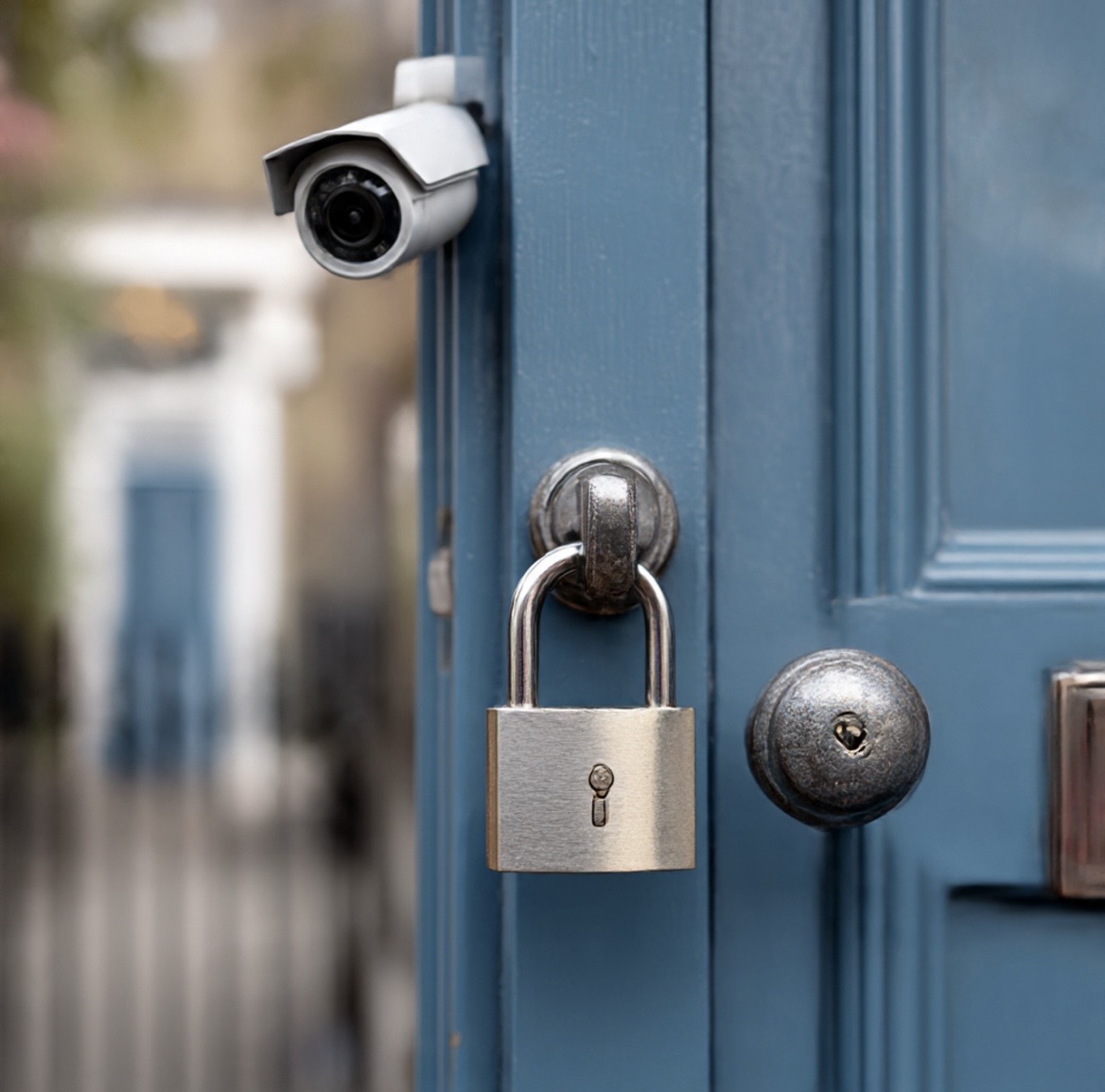
Access is power - manage it carefully.
Know exactly who is walking through the door by tracking every visit and every person who enters the home.
Limit who can enter and to what spaces they can access.
Never hand out a key without a plan. Every key or code opens your loved one’s entire world—treat it like a lifeline.
Use a lockbox with a code you can change instantly so no former caregiver ever has lingering access.
Assign each person their own code to monitor who entered when.
Never give a caregiver a garage door opener.
Cut off access the moment a caregiver’s job ends—don’t assume they won’t return.
Keep doors locked at all times so your loved one is never exposed to unexpected visitors or unsafe situations.
Cameras & Monitoring
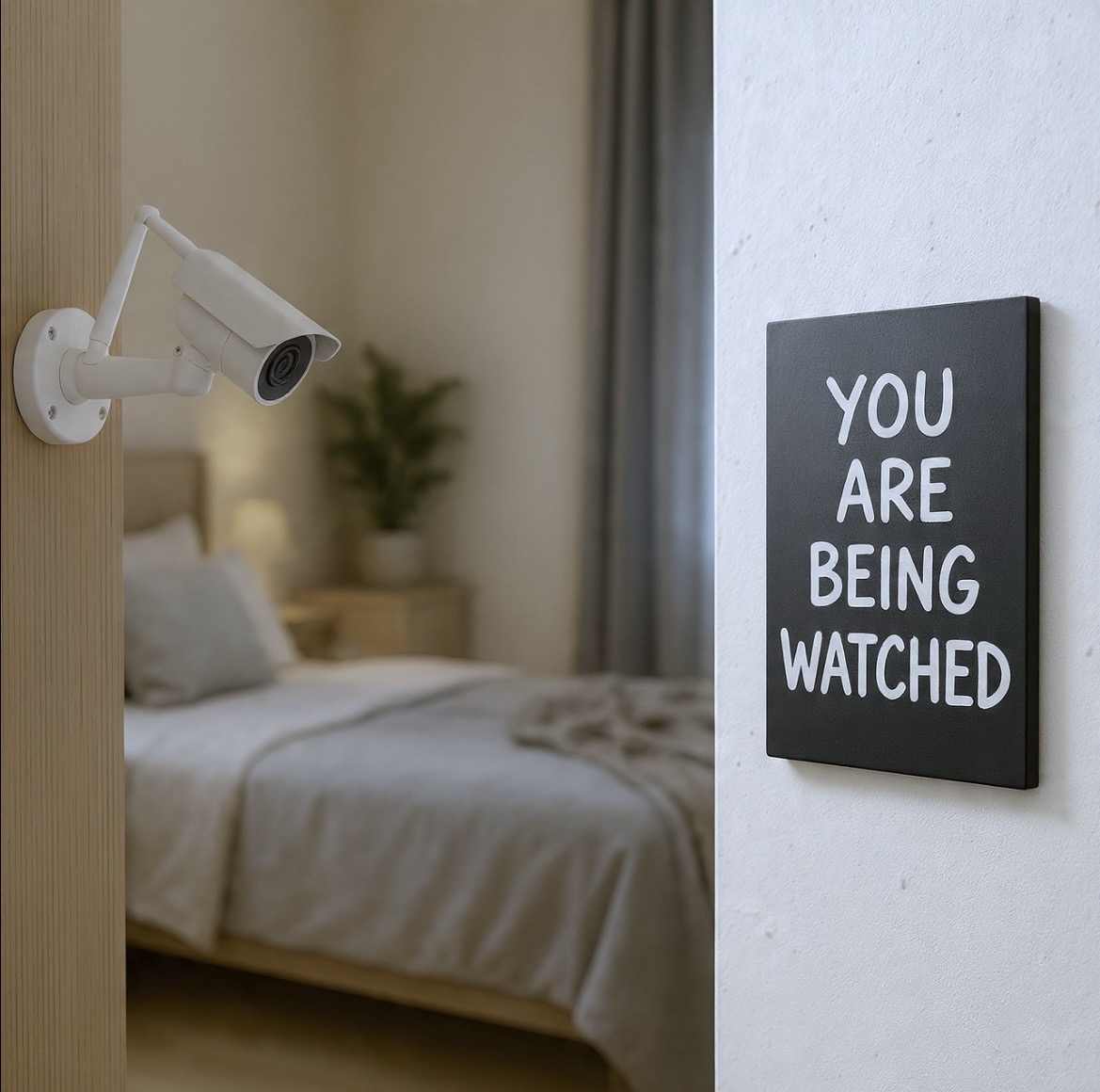
Monitoring isn’t spying—it’s protecting.
Put cameras where care actually happens so you can see the truth—not the version someone wants you to believe.
Cameras (install interior and exterior cameras preferable with 2-way auditory).
Doorbell or entry cameras.
Use real-time alerts so you know immediately if something looks wrong or out of routine.
Choose cameras with secure cloud storage so no one can erase, edit, or tamper with the footage.
Review videos often—early warning signs can prevent serious harm.
Logging caregiver arrival/departure.
Place a sign-in book at main entrance.
Install panic button or emergency alert systems.
Make monitoring known from the start to set clear boundaries and discourage unsafe behavior.
Medication

Medication safety is home safety - lock, label, and monitor.
Keep all medications locked up or out of reach from caregivers, visitors, and vulnerable adults.
Use a weekly pill organizer only if the person managing medications is trustworthy and consistent.
Store pills in original labeled containers to avoid mix-ups or tampering.
Provide a written medication schedule.
Have a log book to log who administered the meds and what time.
Set strict schedules for administering and refilling medications to prevent overdoses or missed doses.
Complete routine inventory tracking so misuse can be detected.
Maintain a current medication list and review it regularly for accuracy.
Track pill counts and monitor for missing doses or unexplained changes.
Dispose of expired or unused medications immediately and safely.
Cash & Cards
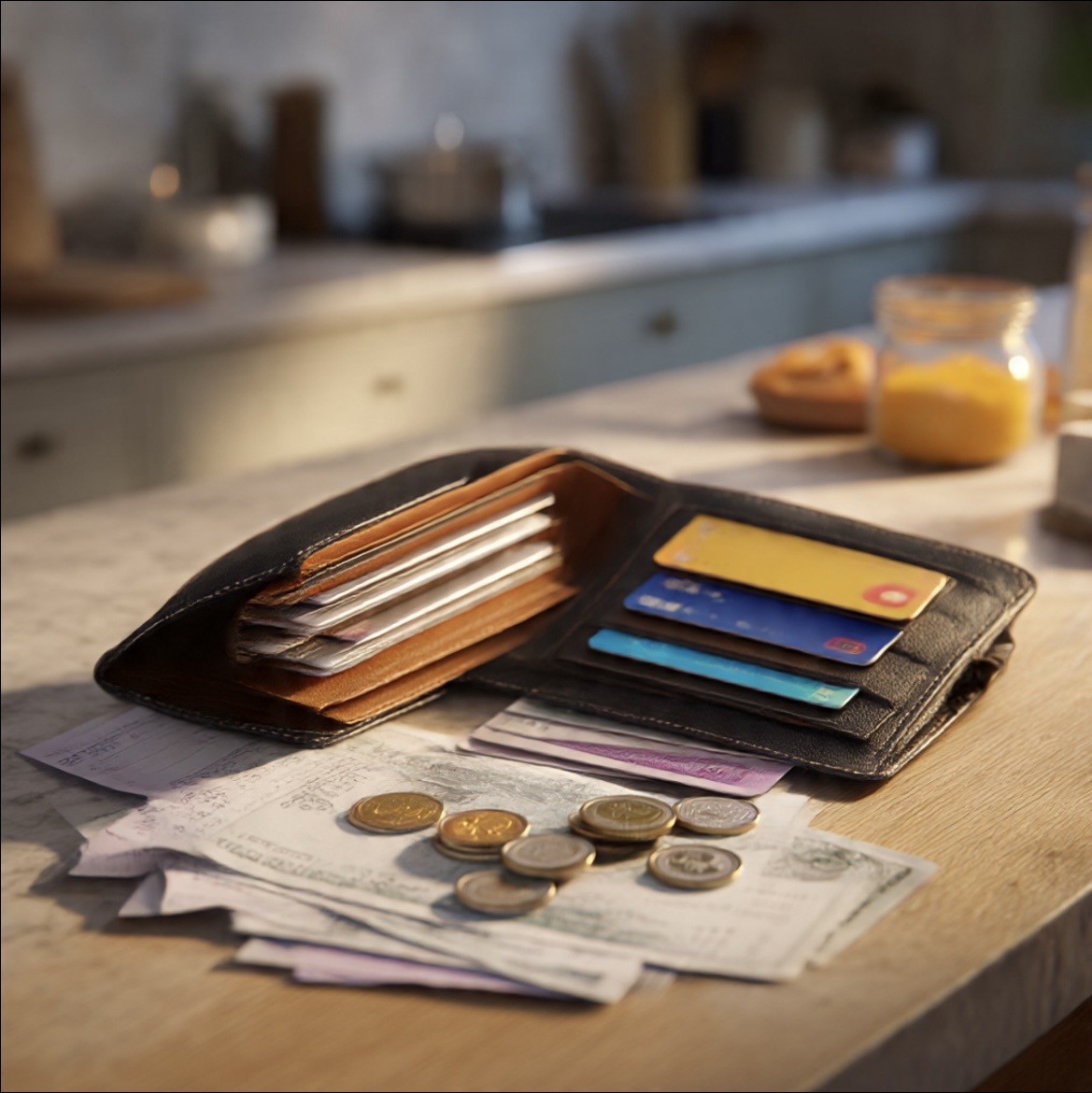
Keep money secured—prevent caregiver misuse.
Caregiver has zero access to wallets, cards, bank accounts or passwords.
Lock up all wallets, cash, cards in a secure drawer, safe box, or lockable cabinet.
Keep only the essentials accessible—remove extra credit cards, checkbooks, or large amounts of cash from the home.
Do regular quick checks to make sure items are still there and nothing has been disturbed.
Set spending limits for outtings/meals/deliveries.
Receipts for any shopping or errands should be supplied routinely.
Conduct routine oversight of all transactions.
Valuables

Locked valuables mean fewer chances for caregiver theft.
Document what’s stored and where (a simple list helps you quickly notice if something goes missing).
Limit who knows the location of valuables—only one or two trusted family members should manage access.
Store all jewelry and heirlooms in a locked, hard-to-access location (locked box, safe, or off-site storage).
Remove high-value or sentimental pieces from the home.
Photograph each item so you have proof of ownership and a record of what should be there.
Keep an inventory list with descriptions, estimated value, and where each item is stored.
Limit access completely—no caregiver should ever handle, clean, or “put away” jewelry.
Do regular quick checks to make sure items are still there and nothing has been disturbed.
Communication & Documentation
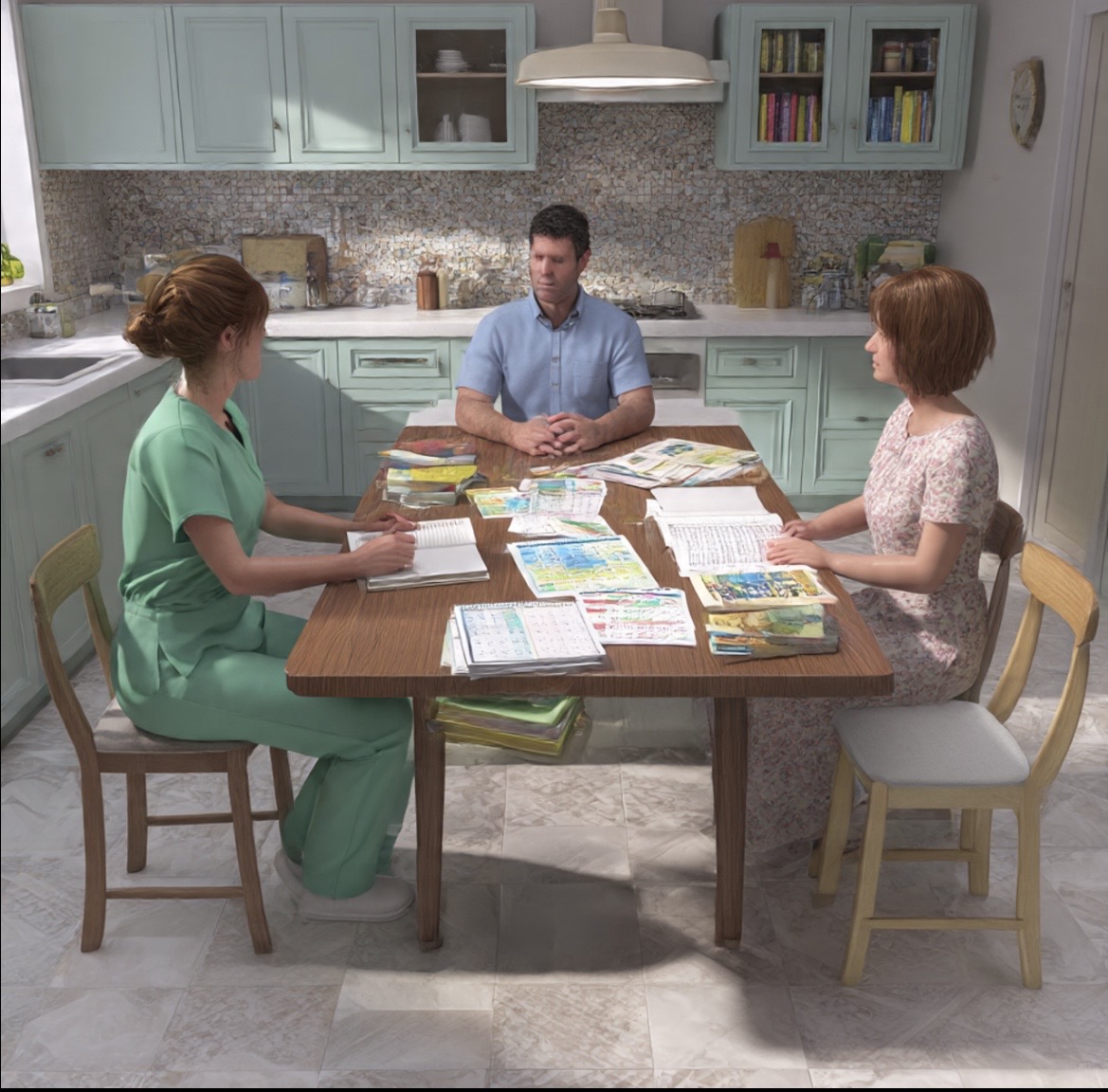
Document everything—protect everyone.
Keep a communications log accessible to family and caregivers with clear expectations for what to report
Record of daily care tasks (meals, hygiene, mobility).
Track medication times, doses, and any side effects.
Note changes in health, behavior, or symptoms.
Track pain levels, sleep patterns, or mood.
Document falls, incidents, or safety concerns.
Caregiver time sheet
Log expenses (medical, meals, supplies, groceries etc)
Review records regularly to spot trends or changes in condition.
Store logs in a consistent, easy-to-find place (binder, app, clipboard).
Roles, Boundaries
& House Rules
Rules regarding what the caregiver can and cannot do:
Phone use (set boundaries and time limits)
Visitors (allowing others in the home or on outtings)
Social media (prohibit photos or posts about your loved one)
Gift acceptance (set a limit or prohibit)
Borrowing (money, car, clothes, tools etc.)
Deliveries (are food or Amazon deliveries allowed)
Television programs (what is not acceptable, time limits)
Drinking/smoking/drugs (do not make assumptions that the caregiver is not partaking when they step outside for a break)
Personal storage (do not allow them to store anything personal items in your home)
Ongoing Oversight
& Red Flag Monitoring

Consistently keep an eye on caregiver behavior and watch for early warning signs of potential problems.
Family check-ins (in-person or virtual)
Unannounced visits
Watch for Red Flags of change:
Sudden isolation (loved one is receiving fewer visitors, turning away visitors, not accepting phone calls etc.)
Mood changes (fear, sadness, lethargy)
Weight loss/gain (weigh regularly, note change in clothes fitting)
Money missing (check cash locations regularly
Medication discrepancies
Caregiver discouraging family involvement
Caregiver interfering with access